
Educaton

CREED Foundation Starts School Empowerment Program

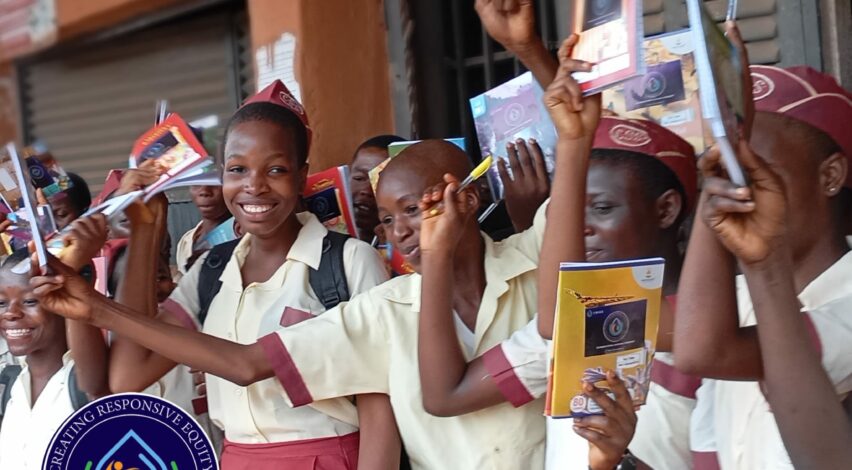
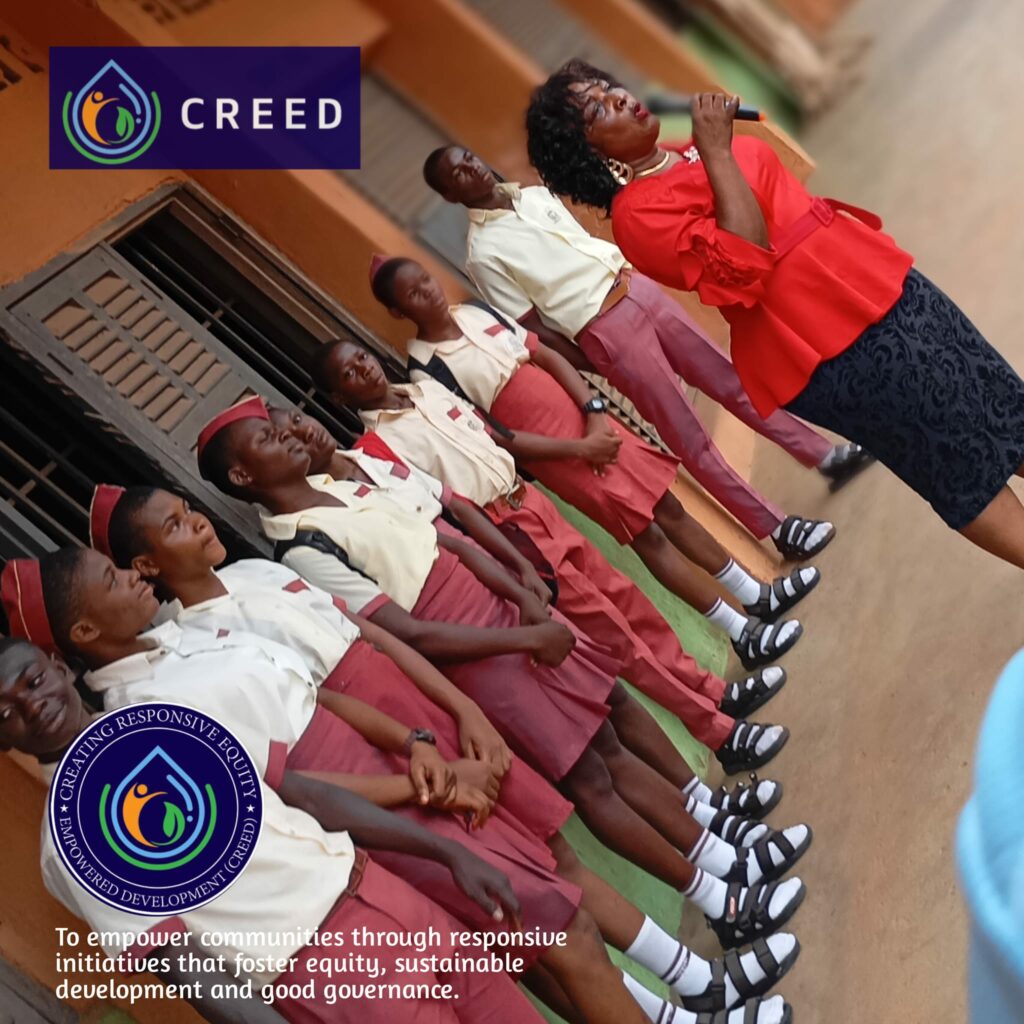
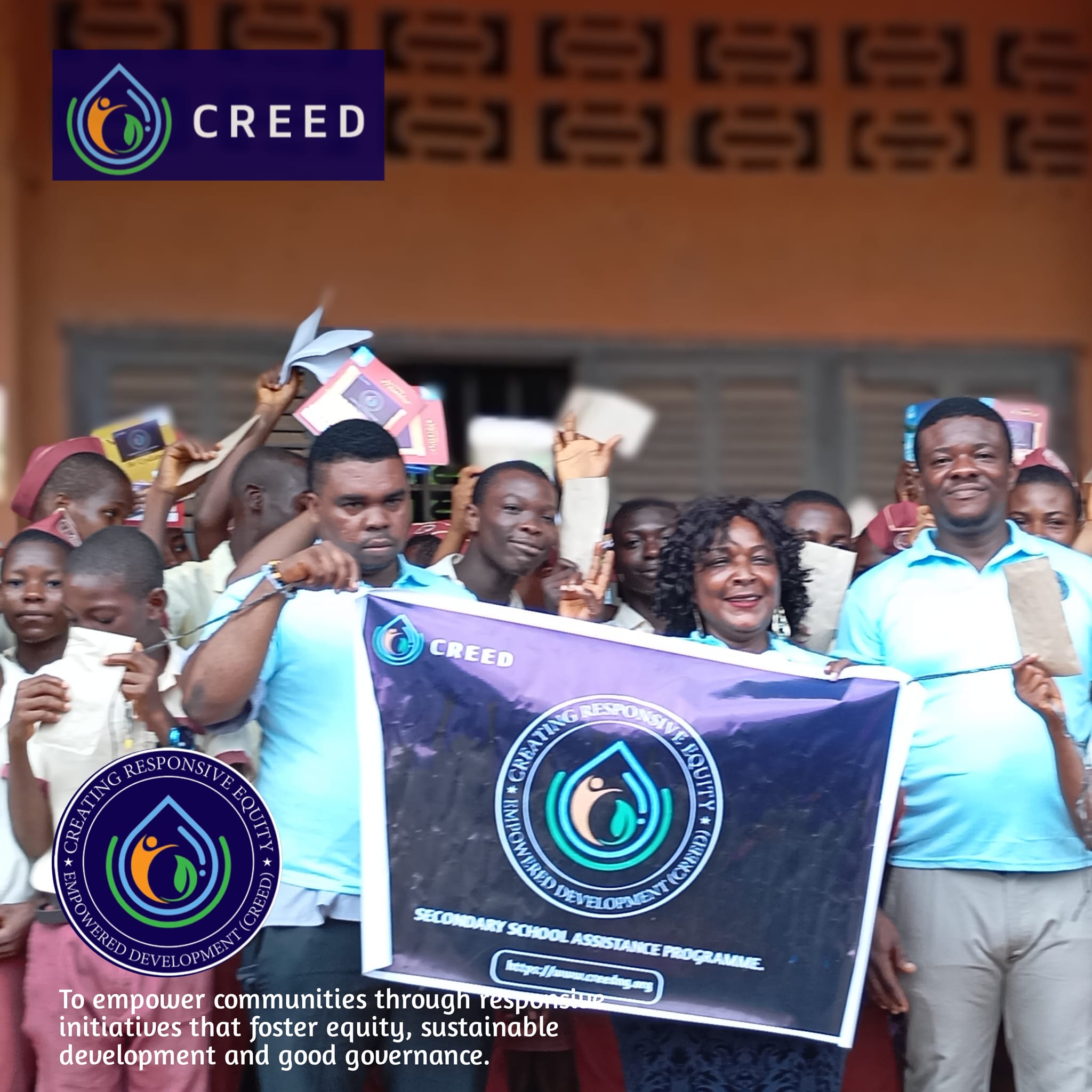
We visited a high school as part of our mission to mitigate poor funding in under-served communities, especially in rural areas.

The CREED team on the 30th April, 2024, visited Community Secondary School, Umuokpu, Awka in Anambra state to donate some study materials and pay school fees for selected Students.
Read More →

Infrastructure

How to Support Sustainable Urbanism

Supporting sustainable urbanism in Nigeria requires a multi-pronged approach, considering the unique challenges and opportunities the country faces. Here are some strategies:

Individual Actions:

  • Embrace alternative transportation: Opt for walking, cycling, and public transport (where available) instead of relying on personal vehicles. Carpool when necessary and consider electric vehicles when possible.
  • Reduce and manage waste: Compost food scraps, recycle diligently, and avoid single-use items. Support initiatives that promote waste reduction and responsible waste management in your community.
  • Conserve energy and water: Use energy-efficient appliances, opt for LED lighting, and practice responsible water usage habits. Advocate for renewable energy sources like solar power.
  • Support local and sustainable businesses: Choose businesses committed to responsible practices, sustainable sourcing, and ethical production. This supports green businesses and encourages others to prioritize sustainability.
  • Get involved in your community: Join or volunteer with NGOs or community groups working on sustainable development projects. Organize awareness campaigns and educational workshops in your community.
  • Raise awareness: Discuss the importance of sustainable urbanism with friends, family, and colleagues. Share information on social media and encourage others to adopt sustainable practices.

(more…)
Read More →

Lifestyle

Outdoor healthcare services to youth

Bringing healthcare services to remote and underserved communities, especially for young people, presents unique challenges in rural Nigeria. However, these challenges are met with equal opportunities for innovation and impact. Here are some promising approaches:

1. Mobile Medical Clinics:

  • Description: Equipping vans or trucks with essential medical equipment and personnel allows them to travel to different villages, offering basic checkups, vaccinations, and consultations.
  • Impact: Increases access to healthcare for geographically isolated youth, overcoming transportation barriers.
     
  • Challenges: Requires significant investment in vehicles, equipment, and personnel. Sustainability through public-private partnerships or community involvement is crucial.

2. Peer-to-Peer Education and Outreach:

  • Description: Training local youth as peer educators empowers them to share vital health information with their peers on topics like sexual health, hygiene, and disease prevention.
  • Impact: Promotes youth participation and ownership of their health, fostering trust and encouraging behavior change.
    Image of Peertopeer health education in rural Nigeria
     
  • Challenges: Requires effective training programs and ongoing support for peer educators. Addressing cultural sensitivities and community engagement is essential.

3. Telemedicine and Digital Technologies:

  • Description: Leveraging mobile technology and telehealth platforms allows healthcare professionals to remotely consult with patients and offer guidance or preliminary diagnoses.
  • Impact: Expands the reach of healthcare providers beyond physical limitations, potentially reaching a wider youth population.
    Image of Telemedicine consultation in rural Nigeria
     
  • Challenges: Requires reliable internet access and digital literacy, which might be limited in rural areas. Addressing infrastructure gaps and affordability is crucial.

4. School-Based Health Clinics:

  • Description: Integrating basic healthcare services within school environments provides convenient access for students and addresses common health concerns.
  • Impact: Improves school attendance and academic performance by promoting good health among students.
    Image of Schoolbased health clinic in rural Nigeria
     
  • Challenges: Requires collaboration between education and health authorities, ensuring qualified personnel and proper resource allocation.

5. Community Health Campaigns and Events:

  • Description: Organizing awareness campaigns, health fairs, and sporting events creates fun and engaging platforms to educate young people about health topics and encourage healthy habits.
  • Impact: Raises awareness, promotes community participation, and builds trust between healthcare providers and the community.
    Image of Community health campaign in rural Nigeria
     
  • Challenges: Requires effective communication strategies, community engagement, and tailoring messages to resonate with the local context.

Remember, successful implementation depends on understanding the specific needs and challenges of each community. Building partnerships with local stakeholders, healthcare providers, and youth themselves is crucial for sustainable and impactful programs.

Read More →